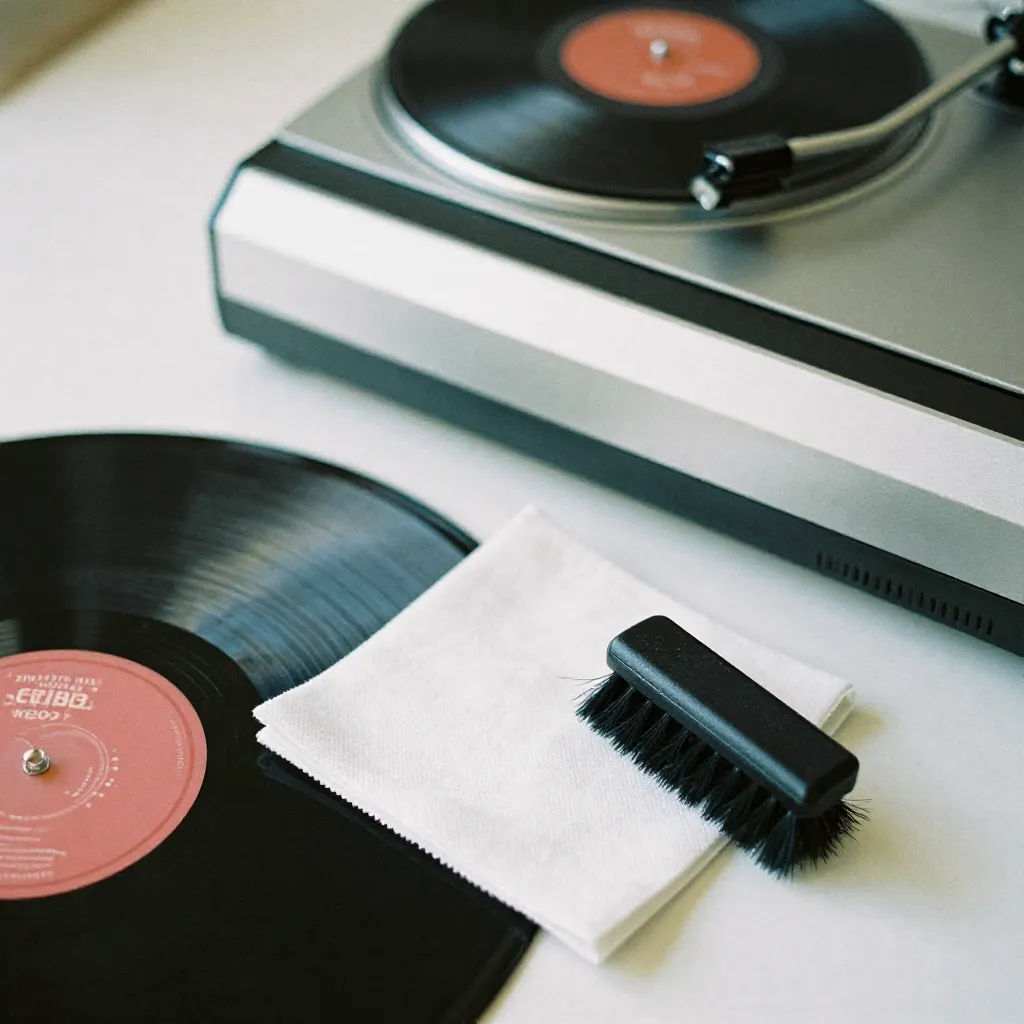
The Laboratory
Precision equipment for deep groove recovery and sound preservation
Hardware Specifications
Ultrasonic Cleaning Systems
High-frequency ultrasonic transducers generate microscopic bubbles that remove contaminants from record grooves without physical contact. This non-abrasive method preserves the integrity of the vinyl surface while achieving thorough cleaning.
The cleaning solution is carefully formulated to dissolve organic residues and lift embedded particles. Temperature and frequency are precisely controlled to optimize cleaning effectiveness while protecting the record material.
After ultrasonic treatment, records undergo a multi-stage rinsing process using filtered water. This removes cleaning solution residues and ensures no chemical deposits remain on the surface.
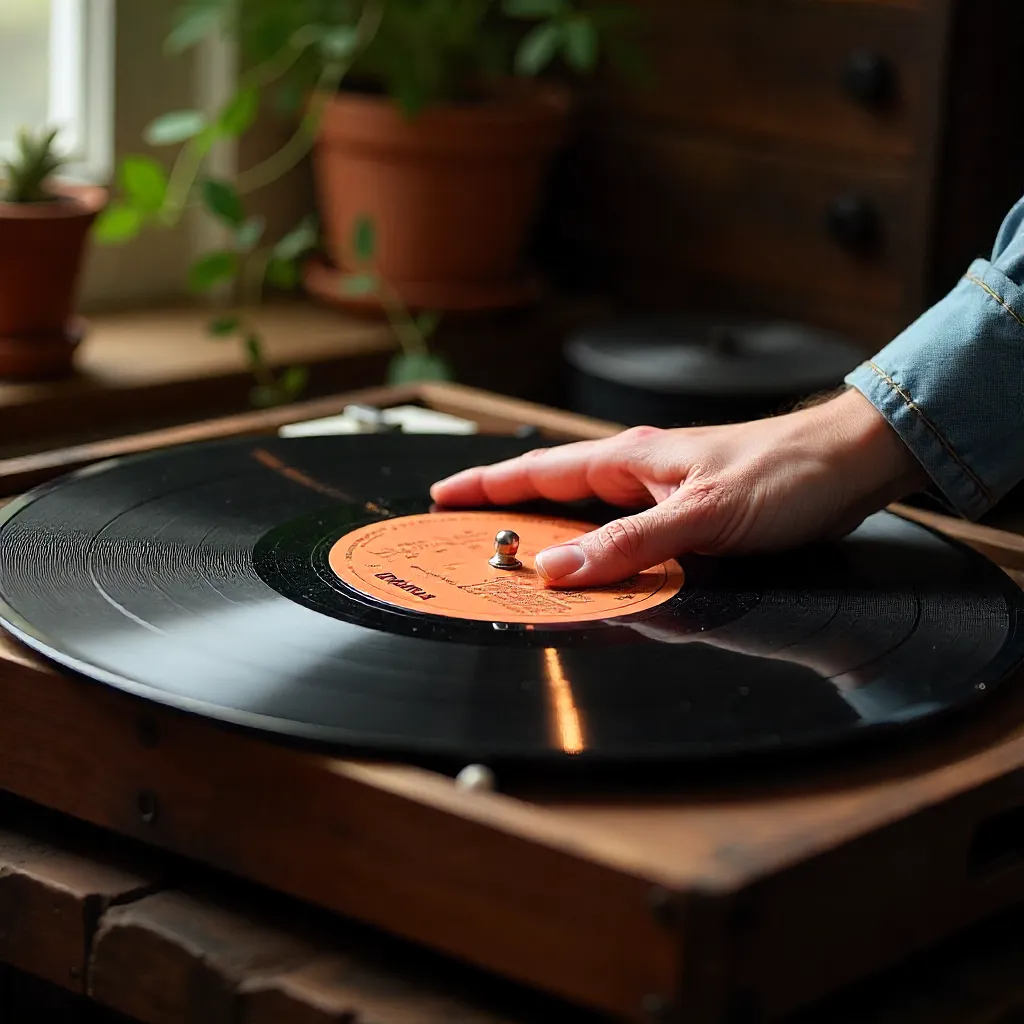
Anti-Static Ionization
Ionization Systems
Ionizing air blowers neutralize static electricity that attracts dust particles to record surfaces. This technology prevents contamination during handling and storage.

Environmental Control
Humidity and temperature monitoring systems maintain optimal storage conditions. Automated controls prevent warping and degradation caused by environmental fluctuations.

Measurement Tools
Precision instruments assess record flatness, groove depth, and surface condition. This data informs cleaning protocols and storage recommendations.
Deep Groove Recovery Process

Scientific Methodology
The deep groove recovery process utilizes cavitation physics to remove contaminants. Ultrasonic waves create microscopic bubbles that collapse with sufficient force to dislodge particles without damaging the vinyl substrate.
Frequency selection is critical for effective cleaning. Lower frequencies penetrate deeper into grooves, while higher frequencies target surface contaminants. Our systems employ variable frequency technology to address different contamination levels.
Post-cleaning verification includes microscopic examination and playback testing. This ensures cleaning effectiveness while confirming that no damage occurred during the process.
Quality Assurance Protocols
Pre-Cleaning Assessment
Each record undergoes visual inspection and condition documentation before cleaning begins. This establishes baseline measurements for comparison after treatment.
Process Monitoring
Real-time monitoring tracks cleaning parameters including solution temperature, ultrasonic frequency, and treatment duration. Data logging ensures process consistency and repeatability.
Post-Treatment Verification
After cleaning, records are examined for surface quality and playability. Condition reports document improvements and any limitations that remain.
Equipment Maintenance
All laboratory equipment undergoes regular calibration and maintenance to ensure optimal performance. Cleaning solutions are prepared fresh for each session to maintain effectiveness.
Filter systems are replaced according to manufacturer specifications to ensure water purity. Ultrasonic transducers are inspected regularly to maintain proper frequency output.
Schedule Laboratory Visit